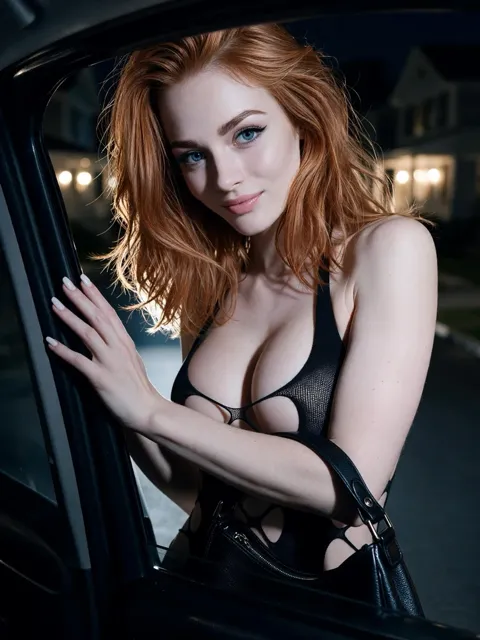
What do the Candy Shorts series actually show?
The free part of every Candy Shorts series is suggestive and stops short. The Premium part is described by Candy AI in general terms only. This page says what we have seen, what we have not, and what remains unclear.
Updated November 2026 · By the Candy Shorts Porn Fan Site team

Quick answer
In the free episodes: adult characters, charged situations, attraction made obvious through dialogue, framing and clothing, and a cut before anything happens. In the paid episodes: according to Candy AI, the continuation of the story, plus chat and pictures with the characters. We have watched the free episodes of the series we list. We have not watched the paid ones.
Examples from the catalogue
Every character is an adult (18+) and fictional, created with AI. No real people, no filmed footage.
Covers and characters
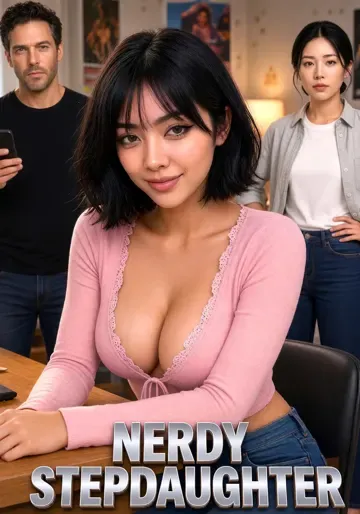
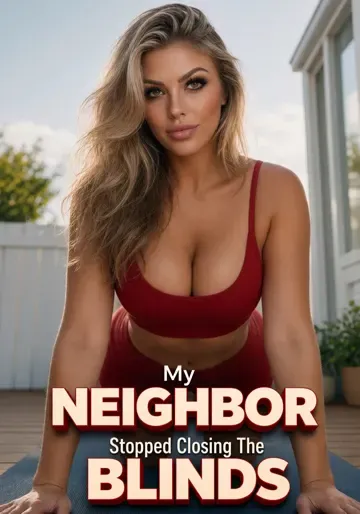
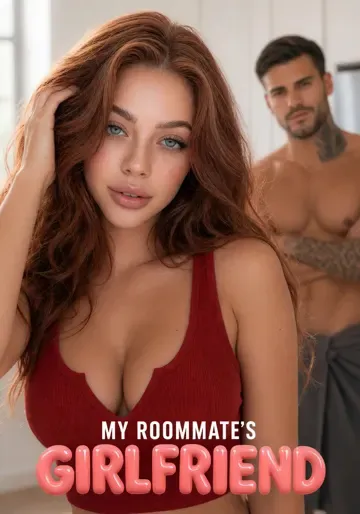
The first thing you meet is the cover. Candy AI uses a vertical poster per series with the main character, the title and a short tagline. The covers are flattering and suggestive, in the way a perfume advert is suggestive. They are not explicit, which is why they can appear on the public catalogue page before any age gate.
Characters are generated adults with consistent faces across episodes. A few series, priced at 30 or 50 tokens, use digital twins of real adult performers; Our Host Is Riley Reid is the clearest example, and Candy AI presents the twin as licensed. We repeat what Candy AI says about these performers and nothing more.
Clothing and suggestion in the free episodes
The free episodes are built on implication. Characters are dressed, sometimes lightly, in a way that fits the premise: nightwear in a house at night, sportswear in a gym, a uniform at work. The camera lingers on faces and reactions more than on bodies. Dialogue carries most of the tension, and each episode ends on a beat that invites you to continue.
That holds at every level. A Very bold series such as YES MA'AM is no more revealing in episode 1 than a Mild one such as Our Exchange Student. The level describes the premise, not the free footage.
What Premium unlocks, according to Candy AI
Candy AI describes the paid tier in general terms. Three things are listed.
- Further episodes: from episode 3 to the end of the series, each for tokens or included in a subscription.
- Chat: the ability to talk with the character of the series through the Candy AI companion interface.
- Pictures: images of the character generated on request, within the platform's rules.
What remains unclear
Candy AI does not publish a content rating per episode. It does not say how far a Premium episode goes compared with the free ones. It does not say whether all series progress at the same pace. The token price, 12 for most and 30 or 50 for twins, reflects the character rather than the content, as far as we can tell. The blurred or uncensored page covers what the lock itself looks like.
What we have not seen
We have not bought tokens and we have not watched a single paid episode. Everything on this site about Premium is Candy AI's own description, repeated as such. If you want to know what the paid episodes show, the only honest answer is that you will have to find out with your own account. We think a guide should say that plainly rather than pretend. Our heat levels exist precisely so you can judge from the premise without needing us to describe anything.
Frequently asked questions
Do the free episodes show nudity?
We do not describe content on this site. What we can say is that the free episodes stay suggestive and implied across the whole catalogue, whatever the heat level.
Does Premium show more than the free episodes?
Candy AI presents the paid episodes as the continuation of the story and adds chat and pictures. We have not watched them and cannot confirm or deny anything beyond that.
Are the characters the same from one episode to the next?
Yes. Each series has a fixed cast with consistent faces, and the digital twins keep the likeness of the performer Candy AI has licensed.
Why do you not just watch the paid episodes and tell us?
Because the site would then describe scenes, which is not what it is for. We grade premises and tone, and we say clearly where our knowledge stops.